How Coastal Winds in Brunswick County Impact Your Roof — and How to Prepare
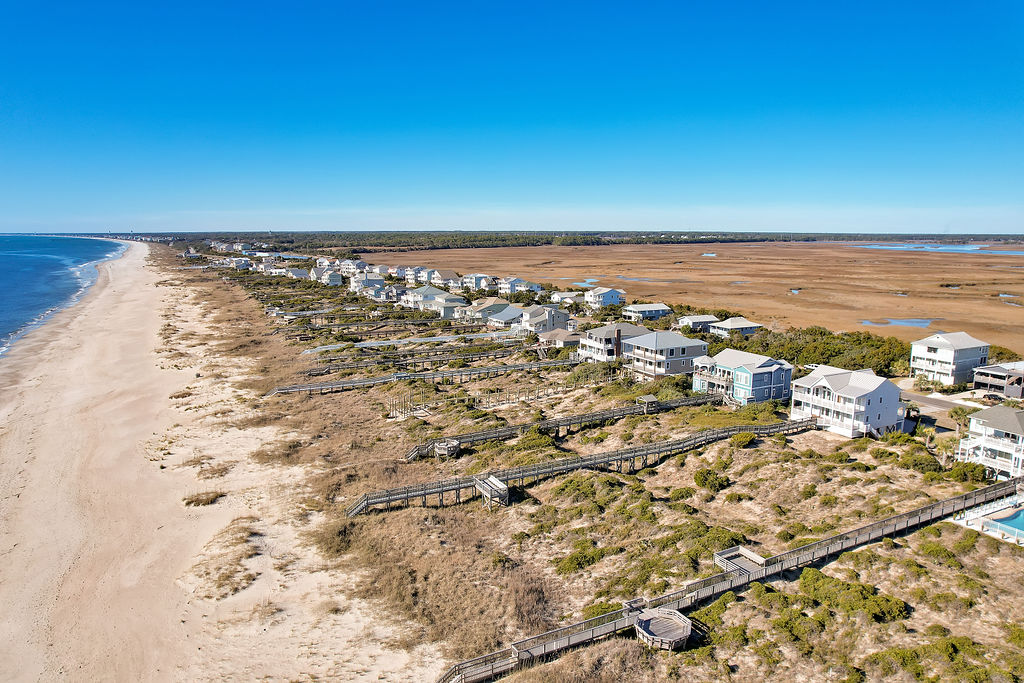
Brunswick County homeowners are no strangers to strong coastal winds. Even outside of hurricane season, winter and early spring storms can bring sustained winds and sudden gusts that place significant stress on residential roofing systems. Over time, repeated exposure to coastal wind conditions can weaken roofing materials, loosen shingles, and compromise the structural integrity of your roof.
Unlike inland areas, coastal wind patterns in southeastern North Carolina often include shifting wind directions, gust fronts, and wind-driven rain. These conditions increase the likelihood that wind will find vulnerable points in the roof system, particularly along edges, ridges, and roof penetrations. Even if a storm does not cause immediate, visible damage, wind can slowly degrade roofing components, creating small openings where water can later enter.
Wind damage often begins subtly. A lifted shingle may reseal temporarily but never fully adhere again. Flashing can loosen slightly around chimneys or vents. Sealant can crack due to temperature changes and wind exposure. These small weaknesses can allow moisture to enter the roofing system, where it may go unnoticed until interior damage appears.
Why Roof Edges and Ridges Are High-Risk Areas
Roof edges are among the most vulnerable parts of any roofing system, especially in coastal environments. When wind flows over the roof surface, it creates uplift pressure. This pressure is strongest at the roof perimeter, where wind can more easily get underneath shingles. Once wind lifts shingles at the edge, that uplift force can spread across the roof, leading to progressive shingle loss.
Ridge caps are another common failure point. Because ridges are exposed to wind from multiple directions, loose or improperly fastened ridge shingles can be lifted or torn away during high winds. When this happens, the underlying roof deck becomes exposed, significantly increasing the risk of water intrusion.
Over time, repeated wind exposure can also weaken roof-to-wall connections and edge metal, further increasing vulnerability during future storms.
The Hidden Cost of Wind-Driven Rain
Wind alone is damaging, but when combined with rain, the risk increases dramatically. Wind-driven rain can be forced underneath shingles and into small gaps that would normally shed water during calm conditions. This type of water intrusion can bypass normal drainage pathways and reach underlayment, decking, and even attic spaces.
In Brunswick County’s humid coastal climate, trapped moisture may not dry quickly. Prolonged moisture exposure can lead to wood rot, mold growth, insulation damage, and deterioration of roof decking. These issues can remain hidden until significant structural damage has already occurred.
How a FORTIFIED Roof Protects Against Wind
A FORTIFIED Roof is specifically engineered to reduce wind damage and limit water intrusion. These systems go beyond standard building codes by reinforcing the most vulnerable areas of the roof and creating multiple layers of protection.
A FORTIFIED Roof helps protect against wind damage by including:
- Enhanced edge securement
- Improved shingle fastening patterns
- Sealed roof deck systems
- Reinforced roof-to-wall connections
These upgrades work together to keep shingles in place, reduce uplift pressure, and maintain a protective barrier even if exterior roofing materials are damaged. A sealed roof deck, in particular, helps prevent water from entering the home if shingles are blown off during a wind event.
Long-Term Benefits for Coastal Homeowners
For Brunswick County homeowners, upgrading to a wind-resistant roofing system is not just about storm protection — it is about long-term durability and reduced maintenance costs. A stronger roof system is better equipped to handle daily coastal exposure, not just major storms.
Homes with FORTIFIED Roofing systems often experience fewer repairs, less storm-related damage, and improved overall roof performance. These benefits help protect both the structure of the home and the homeowner’s long-term investment.
MOcean Contracting’s Coastal Wind Roofing Solutions
At MOcean Contracting, we understand how coastal wind patterns affect roofing systems in Brunswick County. Our team evaluates wind vulnerabilities, strengthens roof edges, and installs FORTIFIED Roof systems designed specifically for coastal conditions.
Whether your roof has experienced recent storm exposure or you want to proactively strengthen your home, a professional inspection and wind-resilient roofing system can help protect your property for years to come.