Choosing the Right Roof for Life on the Coast
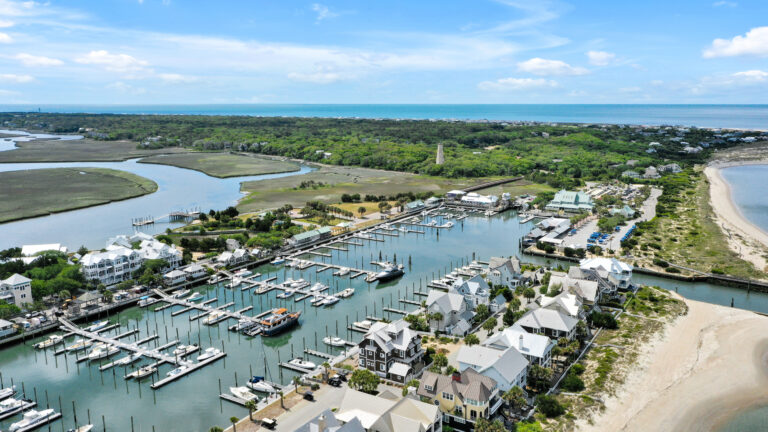
If you live along the Carolina coast, your roof faces different stress than homes farther inland. Constant sun exposure, salt air, humidity, and hurricane-season winds can all shorten the lifespan of a roof that isn’t built for coastal conditions. That’s why selecting the right materials makes all the difference.
At MOcean Contracting, we help homeowners across Brunswick County find the best roofing materials for coastal homes in NC, balancing style, performance, and budget. Below, we break down the top options for coastal roofing, including their advantages, drawbacks, and long-term value.
Asphalt Shingles
Asphalt shingles are one of the most common and affordable roofing materials in North Carolina. They’re available in several grades, including standard 3-tab and thicker architectural shingles that offer more dimension and durability.
Pros:
- Cost-effective and widely available
- Easy to repair or replace
- Available in many colors and styles
Cons:
- Shorter lifespan in coastal conditions (typically 15–25 years)
- Prone to damage from high winds and salt air exposure
Best For: Homeowners who want an economical option and plan to stay on top of maintenance. Upgrading to an architectural shingle with FORTIFIED installation improves resistance against wind uplift and water intrusion.
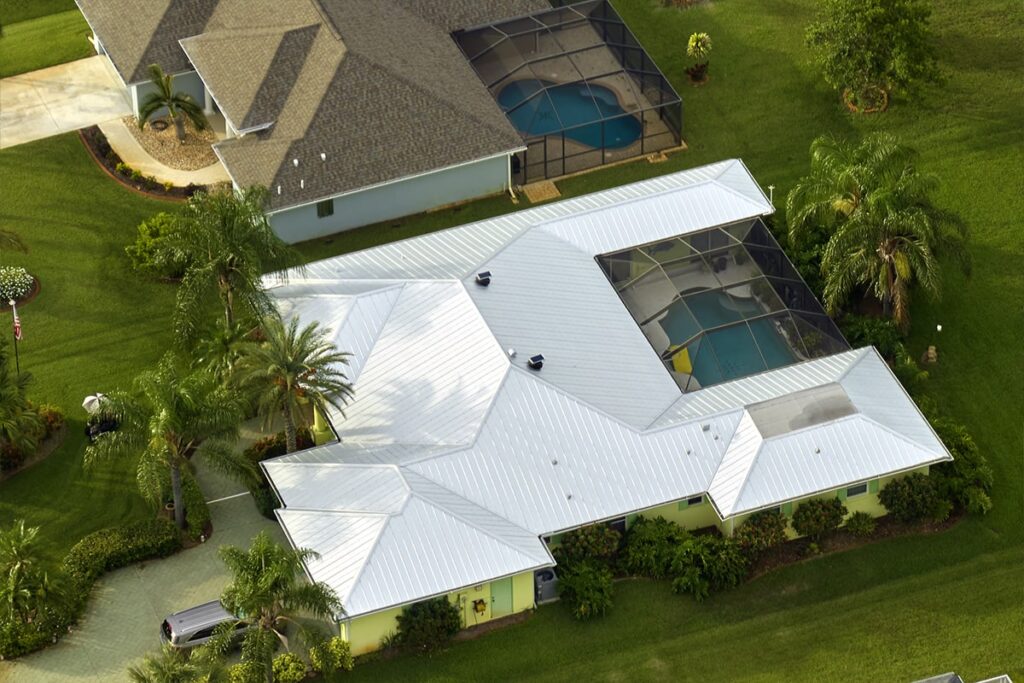
Metal Roofing
Pros:
- Excellent resistance to salt corrosion and wind damage
- Long lifespan
- Reflective surface helps reduce cooling costs
- Low maintenance
Cons:
- Higher upfront cost compared to asphalt
- Must be installed by trained professionals to avoid leaks or noise issues
Tile Roofing (Clay or Concrete)
Pros:
- Extremely long lifespan (50+ years)
- Resistant to rot, insects, and UV damage
- Energy-efficient and eco-friendly
Cons:
- Heavy, requiring additional roof support
- Higher cost and complex installation
- Can crack under heavy impact (such as debris during storms)
Architectural Shingles
Also known as dimensional or laminate shingles, architectural shingles are thicker and more durable than traditional 3-tab shingles. They’re designed to mimic the look of slate or wood but with lower maintenance.
Pros:
- Enhanced wind and impact resistance
- Better curb appeal than standard shingles
- Affordable compared to premium materials
Cons:
- Still less durable than metal or tile in coastal climates
- Lifespan averages 25–30 years with proper care
Other Options for Coastal Homes
Some homeowners explore synthetic roofing materials that mimic slate, cedar, or tile while providing lighter weight and better impact resistance. These newer materials perform well in humid climates, often with extended warranties.
If you’re building or renovating, talk with MOcean Contracting about modern composite or synthetic roofing options tested for wind, water, and UV performance.
Cost and Maintenance Considerations
Why Choose a FORTIFIED Roof
No matter the material, the installation method matters just as much. A FORTIFIED Roof adds extra layers of protection through sealed decking, reinforced edges, and stronger fasteners. It helps prevent wind uplift, water intrusion, and structural loss during hurricanes.
MOcean Contracting is a certified FORTIFIED Roofing contractor, serving Brunswick county and nearby cities, including Southport, Oak Island, Caswell Beach, Holden Beach, Bald Head Island, Ocean Isle, Sunset Beach, and more. We’ll help you select the best roofing material for your home and install it to the highest coastal standards.