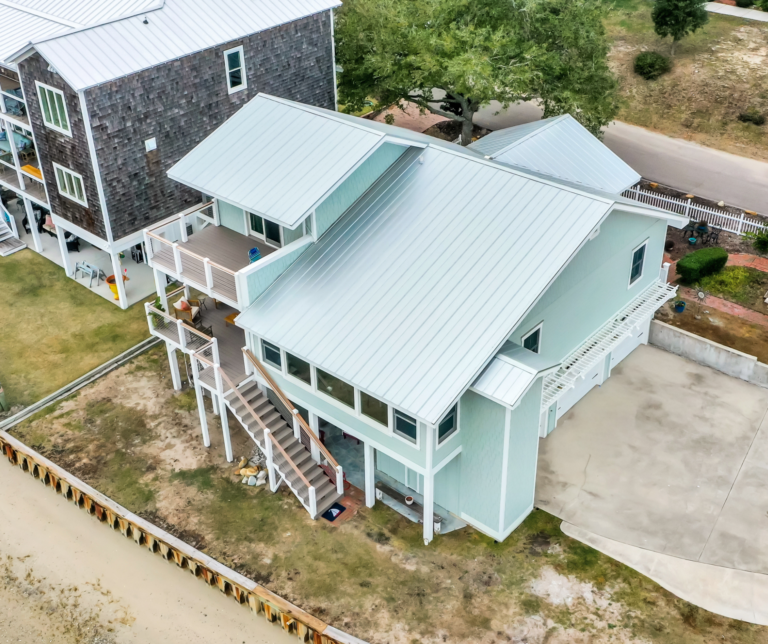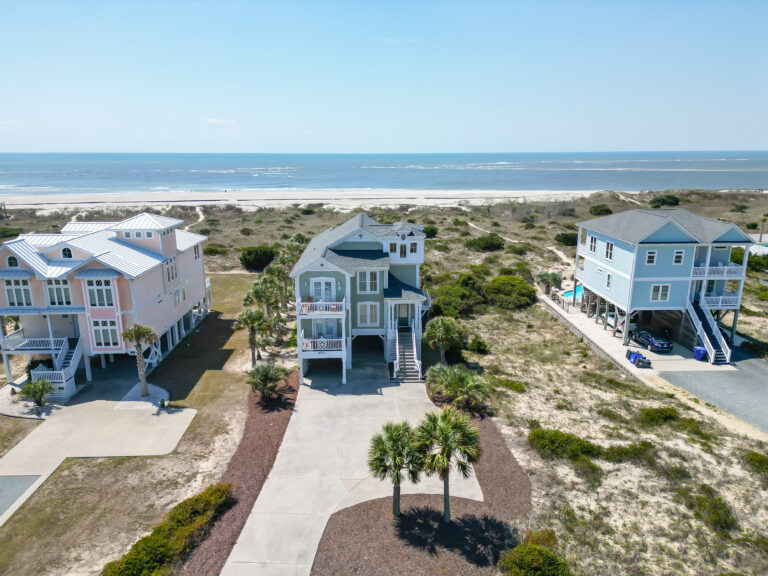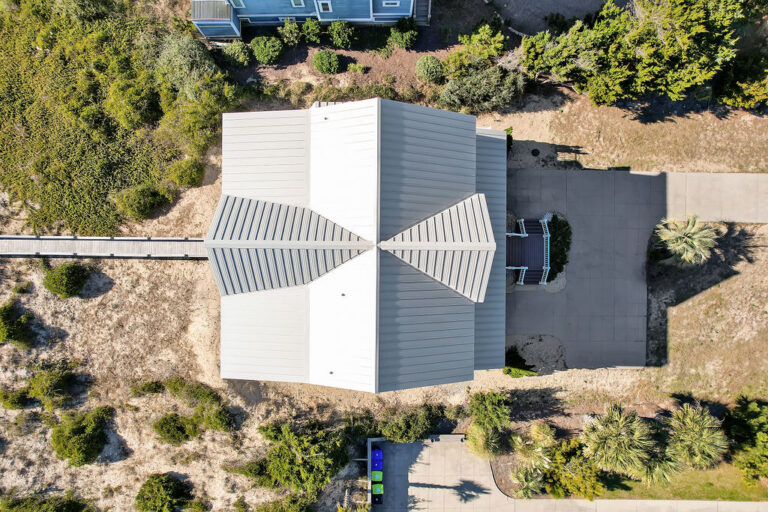
Coastal Homes Need More Than A Standard Roofing Contractor
Living on the North Carolina coast means enjoying ocean views and breezes, but it also means preparing for hurricanes, tropical storms, and heavy wind-driven rain. Unfortunately, not all roofs are built to handle these conditions, and not all contractors can install systems for coastal resilience. That’s why choosing experienced FORTIFIED roof contractors matters so much for coastal homeowners.
A FORTIFIED roof is not simply a material upgrade. It is a complete roofing system installed to stricter standards that help reduce storm damage and protect homes in the long term. To get the full benefit, the roof must be installed by a contractor who is properly trained and certified in the FORTIFIED Roofing Program.
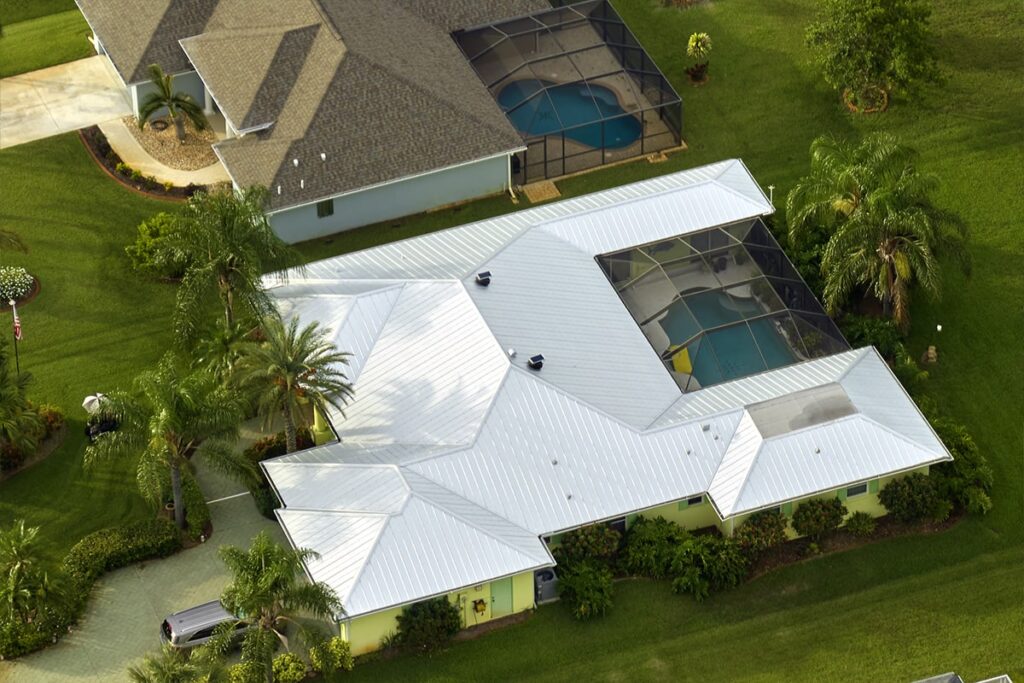
What The FORTIFIED Roofing Program Is
The FORTIFIED Roofing Program was developed by the Insurance Institute for Business and Home Safety to address common roof failures during severe weather. Instead of focusing on cosmetic improvements, the program strengthens the most vulnerable parts of the roof system.
FORTIFIED standards address the roof deck, edges, and fasteners.
These measures help keep the roof attached and reduce the risk of water intrusion during storms. For coastal North Carolina homes, this protection can significantly bolster hurricane season outcomes.
Why Contractor Certification Matters
A roof can only perform as well as it is installed. Even high-quality materials can fail if they are not installed correctly. That is why working with certified FORTIFIED roof contractors is so important.
FORTIFIED contractors receive specialized training to install roofing systems in accordance with program standards. Their work is also subject to third-party verification to ensure the roof meets all requirements. Without this certification, a roof cannot be officially recognized as FORTIFIED, even if similar materials are used.
What Makes A Contractor Truly FORTIFIED
Not every roofing company can call itself a FORTIFIED contractor. To earn and maintain this designation, contractors must meet specific criteria, including:
- Specialized training in FORTIFIED roofing installation
- Knowledge of coastal building challenges and storm behavior
- Use of approved materials and installation techniques
- Proper documentation and coordination with certified inspectors
- Commitment to quality control and long-term performance
How FORTIFIED Roof Contractors Help Reduce Storm Damage
FORTIFIED installation standards are designed to prevent common storm-related failures. Sealed roof decks help keep water out even if shingles or panels are damaged. Reinforced edges reduce wind uplift, and improved fastening methods help keep roofing materials in place during high winds.
For homeowners, this means fewer leaks, less interior damage, and faster recovery after storms. Over time, these benefits can significantly reduce repair costs and stress during severe weather events.
Common Insurance Benefits Of A FORTIFIED Roof
Many insurance providers recognize the reduced risk associated with FORTIFIED roofs. In some cases, homeowners may qualify for lower insurance premiums or eligibility for grant programs by installing a certified FORTIFIED roof.
These benefits vary, but they often reflect the proven performance of FORTIFIED systems during storms. Choosing the right contractor ensures homeowners can take advantage of these opportunities.
Why MOcean Contracting Is A Trusted FORTIFIED Roof Contractor
MOcean Contracting meets and exceeds the standards required of FORTIFIED roof contractors. Our team is trained in FORTIFIED installation practices and understands the unique challenges coastal homes face in North Carolina.
Schedule A Consultation With MOcean Contracting
If you are considering a roof replacement or want to upgrade your home’s protection, choosing the right contractor is just as important as selecting the right materials.
Contact MOcean Contracting today to schedule a consultation and learn how working with experienced FORTIFIED roof contractors can help protect your coastal North Carolina home for years to come.