How Much Wind Can Your Roof Withstand?
When you live along the North Carolina coast, your roof has to handle more than everyday rain and sunshine. Tropical storms, hurricanes, sudden wind gusts, and wind-driven rain can put tremendous pressure on a roofing system.
That leads to an important question for Brunswick County homeowners: How much wind can a roof actually withstand?
There isn’t one wind speed that applies to every roof. A roof’s ability to withstand high winds depends on its age, condition, roofing material, installation, roof shape, and how well the entire roofing system is secured to the home.
Understanding those factors can help you determine whether your roof is prepared for the next coastal storm—or whether it’s time to have it professionally inspected.
What Determines How Much Wind a Roof Can Withstand?
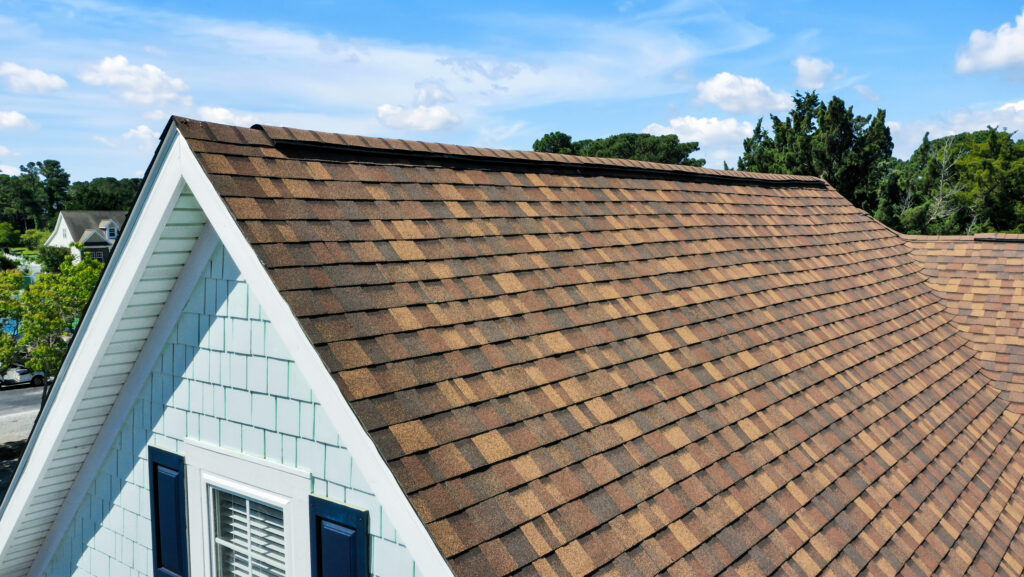
Wind resistance isn’t determined by shingles or metal panels alone. Your roof functions as an entire system, and every component plays a role in how it performs during severe weather.
Important factors include:
- Roofing material and its wind rating
- Age and overall condition of the roof
- Installation methods and fastening patterns
- Roof decking and deck attachment
- Roof shape, slope, edges, and overhangs
- Flashing and other vulnerable roof transitions
- Condition of shingles, metal panels, and roof accessories
- Whether the roof was installed to enhanced standards such as FORTIFIED Roof™
Even a high-quality roofing material can be vulnerable if it wasn’t installed correctly or if other components of the roofing system have deteriorated.
Can Shingle Roofs Withstand High Winds?
Yes. Modern architectural shingles can provide excellent wind resistance when the correct product is installed according to manufacturer requirements.
However, the wind rating printed on a roofing product doesn’t necessarily mean the entire roof can withstand winds of that exact speed without damage.
Proper nail placement, fastening patterns, starter strips, edge protection, flashing, and sealing all influence how shingles perform in high winds.
Roof edges are particularly important because wind can create uplift forces at the perimeter. Once wind gets underneath a loose or poorly secured roofing material, it can begin lifting additional sections of the roof.
An older shingle roof may also become more vulnerable as adhesives weaken, shingles become brittle, or previous storms cause damage.
What About Metal Roofs?
Metal roofing is another popular choice for coastal North Carolina homes because of its durability and ability to perform well in severe weather when properly installed.
But just like shingles, a metal roof’s performance depends heavily on the entire installation.
Panels, seams, clips or fasteners, flashing, roof edges, and the underlying roof deck all need to work together. A premium metal roofing product doesn’t automatically make a roof storm-proof.
This is why homeowners should look beyond the roofing material itself when comparing wind resistance.
Why Roof Edges Are Especially Vulnerable to Wind
Some of the strongest wind forces on a roof occur around its perimeter and corners.
As wind moves across and around a home, it can create uplift pressure that tries to pull roofing materials away from the structure. If an edge isn’t properly secured, wind may find an opening and begin lifting the roofing system.
Once that process starts, damage can progress quickly during a major storm.
That’s one reason proper edge protection and installation details are so important for homes in hurricane-prone areas like Brunswick County.
Does an Older Roof Have Lower Wind Resistance?
Age can absolutely affect how well a roof performs during a storm.
Years of exposure to UV rays, heat, humidity, salt air, rain, and previous storms can gradually weaken roofing materials. Shingles can become brittle or loose, sealant can deteriorate, flashing can fail, and fasteners can become vulnerable.
A roof doesn’t have to be leaking to have weaknesses.
A slightly loose shingle or compromised piece of flashing may not cause noticeable problems during normal weather. During high winds, however, that small weakness can become a starting point for more extensive damage.
For coastal homeowners, having an aging roof inspected before hurricane season can help identify vulnerabilities while they’re still manageable.
How Does a FORTIFIED Roof™ Improve Wind Protection?
For homeowners concerned about hurricanes and high winds, a FORTIFIED Roof™ provides an enhanced approach to roof construction.
FORTIFIED is a construction and re-roofing standard developed by the Insurance Institute for Business & Home Safety (IBHS) to strengthen homes against severe weather.
It’s important to understand that FORTIFIED isn’t a type of roofing material. Both shingle and metal roofing systems can qualify as FORTIFIED when they’re installed according to the required standards.
Instead of relying solely on the wind rating of the finished roofing material, FORTIFIED addresses some of the areas that can make a roof vulnerable during severe weather.
That includes enhanced roof-deck attachment, a sealed roof deck designed to help reduce water intrusion if the roof covering is damaged, stronger roof-edge details, and specific installation requirements for the roof covering.
For Brunswick County homeowners, those additional layers of protection can be particularly valuable because high winds are often accompanied by heavy, wind-driven rain.
Does a FORTIFIED Roof Mean Your Roof Can't Be Damaged?
No roof should be considered hurricane-proof.
Even a properly installed FORTIFIED Roof™ can experience damage during an extreme weather event. The goal is to make the roofing system more resilient and reduce the likelihood that one damaged component will lead to a much larger failure.
That’s an important distinction when homeowners see specific wind-speed ratings associated with roofing products. A laboratory-tested product rating isn’t a guarantee that an entire home will experience no damage at that wind speed.
How Can You Tell If Wind Has Damaged Your Roof?
Wind damage isn’t always as obvious as missing shingles scattered across the yard.
You may notice lifted or creased shingles, displaced flashing, damaged roof edges, loose metal panels, or debris impact. In other cases, the damage may be difficult to see from the ground.
You might not discover a problem until water begins entering the attic or a ceiling stain appears inside the home.
After a significant coastal storm, a professional roof inspection can help identify damage before it develops into a larger moisture problem.
Should You Have Your Roof Inspected Before Hurricane Season?
If your roof is older, has experienced previous storm damage, or hasn’t been inspected recently, having it evaluated before hurricane season can be a smart preventative step.
A roof inspection gives you an opportunity to address loose materials, flashing problems, damaged shingles, vulnerable edges, and other concerns before high winds arrive.
It’s much easier to make a small repair on a calm day than discover a roofing weakness in the middle of a hurricane.
Building Stronger Roofs for Brunswick County
There isn’t a single number that tells you exactly how much wind your roof can withstand. The strength of a roof comes from the entire roofing system—not simply the material installed on top.
For coastal North Carolina homes, proper installation, quality materials, secure roof edges, strong deck attachment, routine maintenance, and attention to wind and water resistance all play an important role in storm performance.
At MOcean Contracting, we understand the unique demands placed on roofs throughout Brunswick County. As an IBHS Certified FORTIFIED™ Roof Contractor with Direct Submit capabilities, our team specializes in roofing systems designed with coastal resilience in mind.
Whether you’re concerned about the condition of your current roof, have experienced wind damage, or are considering upgrading to a FORTIFIED Roof™, MOcean can evaluate your roofing system and help you understand the best options for protecting your home against the coastal weather ahead.