Wood Rot Around Windows, Doors & Siding: Signs You Shouldn't Ignore
Wood rot is one of the most common—and often overlooked—problems affecting homes in Brunswick County. It typically begins as a small issue hidden beneath peeling paint or soft trim, but if left untreated, it can spread quickly and lead to expensive repairs.
Because coastal homes are constantly exposed to humidity, salt air, wind-driven rain, and moisture, wood rot is especially common around windows, doors, siding, and exterior trim. The good news is that catching it early can often prevent more extensive damage.
Whether you’ve noticed peeling paint, soft wood, or discoloration around your home’s exterior, understanding the warning signs can help protect both your home and your investment.

Why Coastal Homes Are More Susceptible to Wood Rot
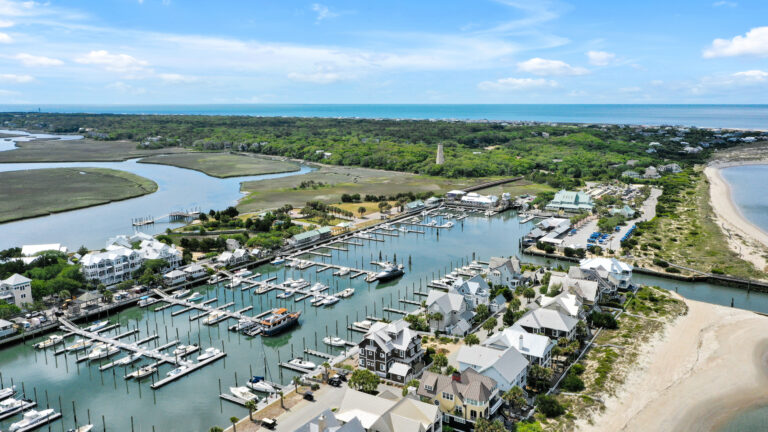
Living along the North Carolina coast comes with beautiful scenery—but it also exposes homes to conditions that accelerate moisture-related damage.
Brunswick County homes experience high humidity, frequent rain, salty air, and intense sun throughout the year. Over time, these elements can break down paint, caulk, and protective finishes, allowing moisture to penetrate the wood beneath.
Once moisture enters, wood begins to deteriorate. If the source of the moisture isn’t corrected, the damage can continue spreading beneath the surface long before it’s visible from the outside.
Wood itself isn’t the problem—persistent moisture is.
Water can enter through deteriorated caulk, damaged flashing, aging siding, improperly sealed windows, or small gaps around doors. Even a minor leak can create the perfect conditions for wood rot to develop over time.
That’s why routine inspections and maintenance are so important for coastal homes.
Where Wood Rot Commonly Starts
Wood rot can develop anywhere moisture is able to collect, but certain areas of the home are especially vulnerable.
Common locations include:
- Around window trim and sills
- Exterior door frames and thresholds
- Siding and corner boards
- Fascia and soffits
- Deck posts, stair stringers, and railings
- Porch columns and exterior trim
These areas are regularly exposed to rain and humidity, making them some of the first places where moisture-related damage appears.
Warning Signs to Watch For
Wood rot often develops gradually, making it easy to miss during everyday life. Fortunately, there are several warning signs homeowners can look for before the damage becomes more extensive.
You may notice paint bubbling or peeling, cracked caulk around windows and doors, soft or spongy wood, discoloration, or trim that appears swollen or warped. In more advanced cases, the wood may crumble when touched or show visible fungal growth.
Inside the home, stains around windows or doors, musty odors, or increased drafts can also indicate that moisture is entering where it shouldn’t.
If you notice any of these signs, it’s important to have the area evaluated before the damage spreads further.
Can Wood Rot Be Repaired?
In many cases, yes.
If wood rot is caught early and the structural components remain sound, the damaged sections can often be removed and replaced without replacing the entire window, door, or siding system.
The most important step is identifying and correcting the source of the moisture. Simply replacing the damaged wood without addressing the underlying cause will often result in the problem returning.
An experienced contractor can determine whether a localized repair is appropriate or whether additional work is needed to protect your home.
When Replacement Is the Better Option
Sometimes the damage extends beyond a simple repair.
If wood rot has spread into structural framing, multiple sections of siding, or older windows and doors that have reached the end of their lifespan, replacement may provide a safer and more cost-effective long-term solution.
Modern replacement windows, doors, and siding offer improved durability, better energy efficiency, and lower maintenance while helping protect your home from future moisture intrusion.
Replacing severely damaged materials also provides an opportunity to update your home’s appearance and improve curb appeal.
Don't Wait Until the Damage Gets Worse
Wood rot rarely improves on its own.
What starts as a small soft spot around a window or door can eventually lead to larger structural repairs if moisture continues to penetrate the home. Addressing the issue early is almost always less expensive than waiting until significant damage has occurred.
Routine inspections and prompt repairs help extend the life of your home’s exterior while protecting one of your biggest investments.
MOcean Contracting's Exterior Repair & Remodeling Expertise
At MOcean Contracting, we help homeowners throughout Brunswick County identify and repair wood rot before it becomes a much larger problem. Our experienced team carefully evaluates the source of the moisture and recommends the most effective solution—whether that’s repairing exterior trim, replacing damaged siding, installing new windows or doors, or completing exterior carpentry repairs.
Our goal is to restore your home’s beauty while protecting it from future moisture damage with quality craftsmanship built for coastal living.
If you’ve noticed soft wood, peeling paint, or signs of moisture around your home’s exterior, don’t wait for the damage to spread. Contact MOcean Contracting today to schedule an inspection and learn how we can help keep your home protected for years to come.