Why Do Coastal Homes Need More Maintenance?
Living near the coast comes with plenty of advantages, but coastal homes also face environmental conditions that can be harder on building materials than those farther inland.
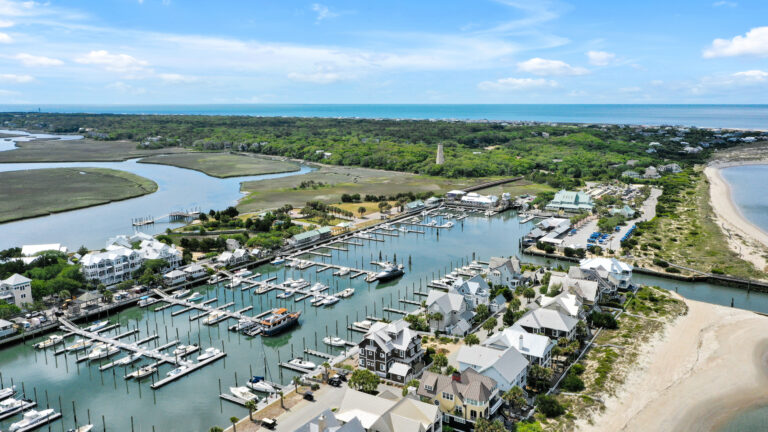
Here in Brunswick County, homes are regularly exposed to salt air, high humidity, intense sunlight, heavy rain, wind-driven rain, and tropical weather. Over time, that exposure can accelerate wear on everything from the roof and siding to windows, doors, decks, and exterior hardware.
That doesn’t mean coastal homes are destined for constant repairs. The key is understanding which areas are most vulnerable and addressing small problems before they have an opportunity to become larger ones.
How Does Salt Air Affect a Coastal Home?
Salt doesn’t stay at the beach.
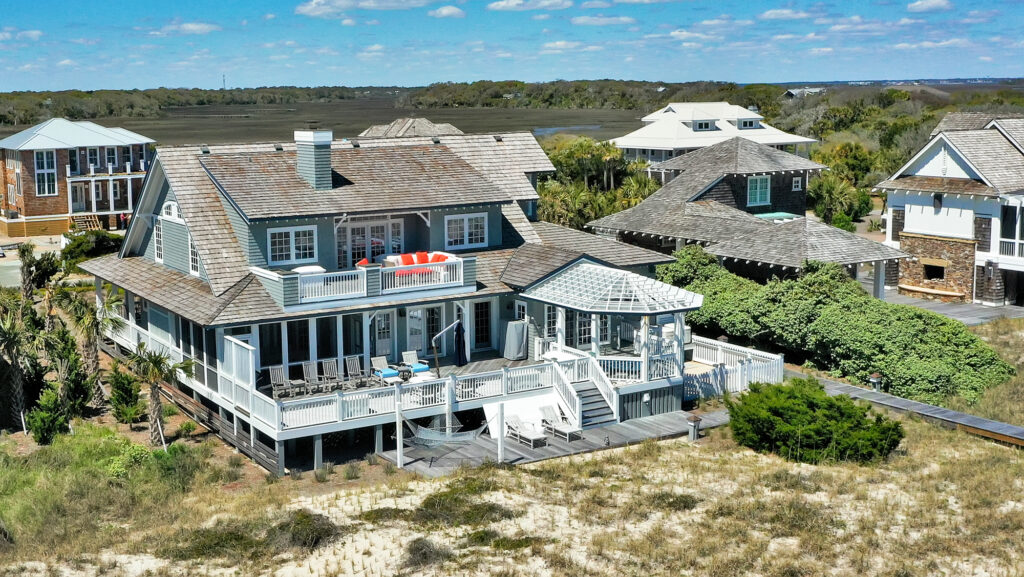
Tiny salt particles can travel through the air and settle on homes throughout coastal communities. Over time, salt exposure can contribute to corrosion and deterioration, particularly on metal components.
Fasteners, flashing, exterior hardware, railings, HVAC components, and other exposed materials may show wear more quickly in a salt-air environment.
Material Selection Matters Near the Coast
Choosing materials suited for coastal conditions can help reduce maintenance and premature deterioration.
This is particularly important when replacing exterior components. The least expensive option upfront isn’t always the most practical choice when it’s going to be regularly exposed to moisture, salt, sun, and wind.
Why Is Moisture Such a Concern in Brunswick County?
Moisture is one of the biggest threats to any home, and coastal North Carolina provides plenty of it.
High humidity, heavy rainfall, tropical systems, and wind-driven rain can create opportunities for water to enter small gaps around the exterior.
Caulking can deteriorate. Flashing can fail. Siding can become damaged. Seals around windows and doors can weaken.
Once moisture gets behind exterior materials, the damage isn’t always immediately visible.
Wood Rot Can Start Where You Can't See It
One of the biggest concerns with ongoing moisture exposure is wood rot.
Rot commonly develops around windows, doors, trim, siding, decks, and other areas where water can collect or penetrate.
A small soft spot or peeling section of paint may seem cosmetic, but it can sometimes indicate deterioration underneath.
Catching these issues early can mean the difference between a localized repair and replacing a much larger section of damaged material.
Coastal Weather Is Hard on Your Roof
Your roof takes the brunt of coastal weather year after year.
Heat, UV exposure, strong winds, heavy rainfall, wind-driven rain, and tropical storms can gradually wear down roofing materials and vulnerable areas such as flashing and roof edges.
Even small issues can become important during hurricane season. A loose shingle, deteriorated seal, or compromised flashing may not cause an obvious problem during normal weather but can become a point of vulnerability when high winds and heavy rain arrive.
Routine Roof Inspections Can Identify Problems Early
You don’t necessarily need to wait until your roof leaks to have it inspected.
Periodic inspections can help identify loose or damaged roofing materials, flashing issues, deteriorating sealants, and other concerns before water begins entering the home.
For Brunswick County homeowners considering a roof replacement, a FORTIFIED Roof™ can also provide enhanced protection against severe weather. FORTIFIED is an installation standard developed by the Insurance Institute for Business & Home Safety (IBHS) to improve a home’s resilience against high winds and wind-driven rain.
Windows and Doors Need Attention Too
Windows and exterior doors contain numerous joints, seals, and transitions where moisture can potentially enter.
Over time, homeowners may notice deteriorating caulk, drafts, difficulty opening or closing, fogging between panes, staining, or soft wood around frames and trim.
These aren’t always signs that the entire window or door needs replacement. Sometimes a targeted repair is enough. However, recurring moisture problems or widespread deterioration may indicate that replacement is the better long-term solution.
Siding Protects More Than Your Home's Appearance
Siding is another major part of your home’s defense against coastal weather.
Cracks, loose panels, damaged trim, deteriorating caulk, and other openings can give water a path behind the exterior surface.
Because the damage happens underneath the siding, homeowners may not realize there’s a problem until they notice staining, mold, peeling paint, or wood rot.
Maintaining the siding and addressing damaged areas promptly helps protect the structure underneath.
Decks and Porches Face Constant Exposure
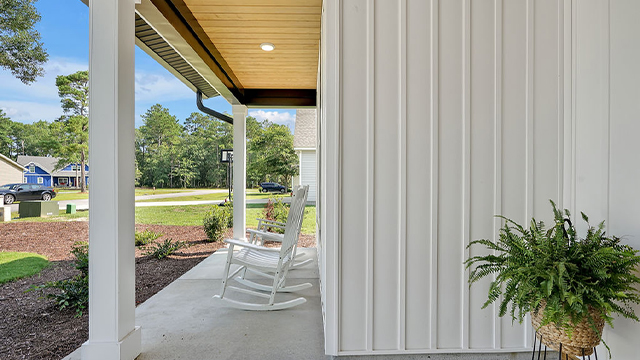
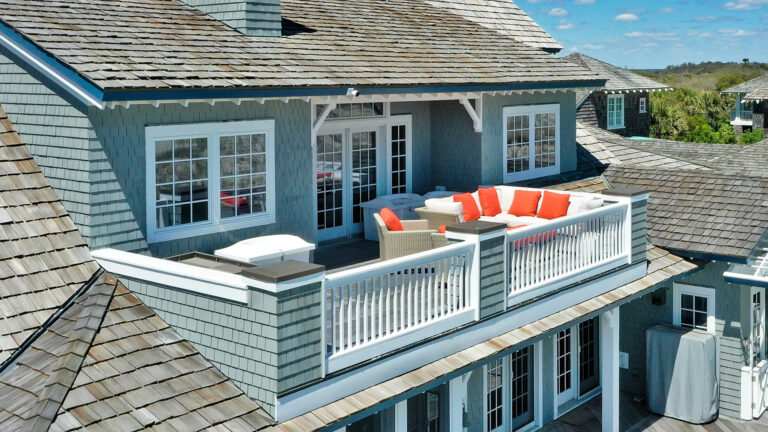
Outdoor living is a major part of life along the Brunswick County coast, but decks and porches experience some of the harshest conditions around the home.
Unlike interior spaces, they’re constantly exposed to sun, rain, humidity, and temperature changes.
Wood decks require regular attention to prevent deterioration, while composite decking can offer a lower-maintenance alternative for some homeowners. Regardless of the material, the framing, fasteners, railings, stairs, and connections should still be periodically checked for signs of wear or damage.
What Maintenance Should Coastal Homeowners Prioritize?
You don’t need to inspect every inch of your house every weekend. A consistent maintenance routine can go a long way toward catching problems before they become expensive repairs.
Pay particular attention to:
- Roof shingles or metal panels, flashing, and roof edges
- Siding, exterior trim, and areas where different materials meet
- Caulking and seals around windows and exterior doors
- Signs of moisture, staining, mold, or wood rot
- Deck boards, railings, stairs, framing, and fasteners
- Exterior paint and protective finishes
- Gutters and drainage areas that direct water away from the home
It’s also a good idea to take another look around your property after major storms. Damage caused by wind or debris may not always be obvious immediately.
Preventative Maintenance Can Help Avoid Bigger Repairs
One of the most important differences between coastal home maintenance and emergency repair is timing.
Replacing deteriorated caulk is a relatively small project. Repairing extensive rot after years of water intrusion is not.
Replacing a few damaged pieces of siding can be manageable. Discovering that moisture has affected the sheathing underneath can turn it into a much larger project.
Regular maintenance gives homeowners an opportunity to catch those problems earlier.
Maintaining a Home on the Brunswick County Coast
Coastal homes require additional attention because they’re exposed to conditions that can accelerate wear—but staying ahead of that wear can make a significant difference.
At MOcean Contracting, we work on homes throughout Brunswick County and understand the challenges that come with coastal construction. From roofing and FORTIFIED Roof™ systems to windows, doors, siding, decks, porches, and interior and exterior remodeling, our team looks beyond the surface to help homeowners identify problems and determine the right solution for their property.
Whether you’ve noticed a specific area of concern or simply want to make sure your home is ready for another season along the coast, MOcean Contracting can help you protect, maintain, and improve your coastal home for the years ahead.